Table of contents
Wellness is no longer a side quest, it is becoming a daily operating system. From London to Los Angeles, clinics report rising demand for routines that promise more than a glow, and new research is giving that shift scientific weight, linking sleep quality, stress hormones, inflammation markers and even gut diversity to how skin ages and how people feel in their bodies. The result is a new, more holistic playbook, where beauty is treated less like camouflage and more like a signal, and where small habits compound into measurable change.
Beauty starts in the nervous system
“Fix the skin” is an old reflex, but the body rarely works in silos, and dermatologists have been saying it for years: stress shows up on the face. The most robust pathway is the neuroendocrine system, which governs the release of cortisol and other hormones that influence inflammation, immune response and oil production. In a large 2023 systematic review published in Frontiers in Psychiatry, researchers linked chronic stress to a higher risk of inflammatory skin conditions, including acne and atopic dermatitis, while also underlining a two-way relationship, because visible flare-ups can in turn increase anxiety and social stress. The practical takeaway is simple and uncomfortable: a perfect routine built on serums alone cannot outpace a nervous system stuck in fight-or-flight.
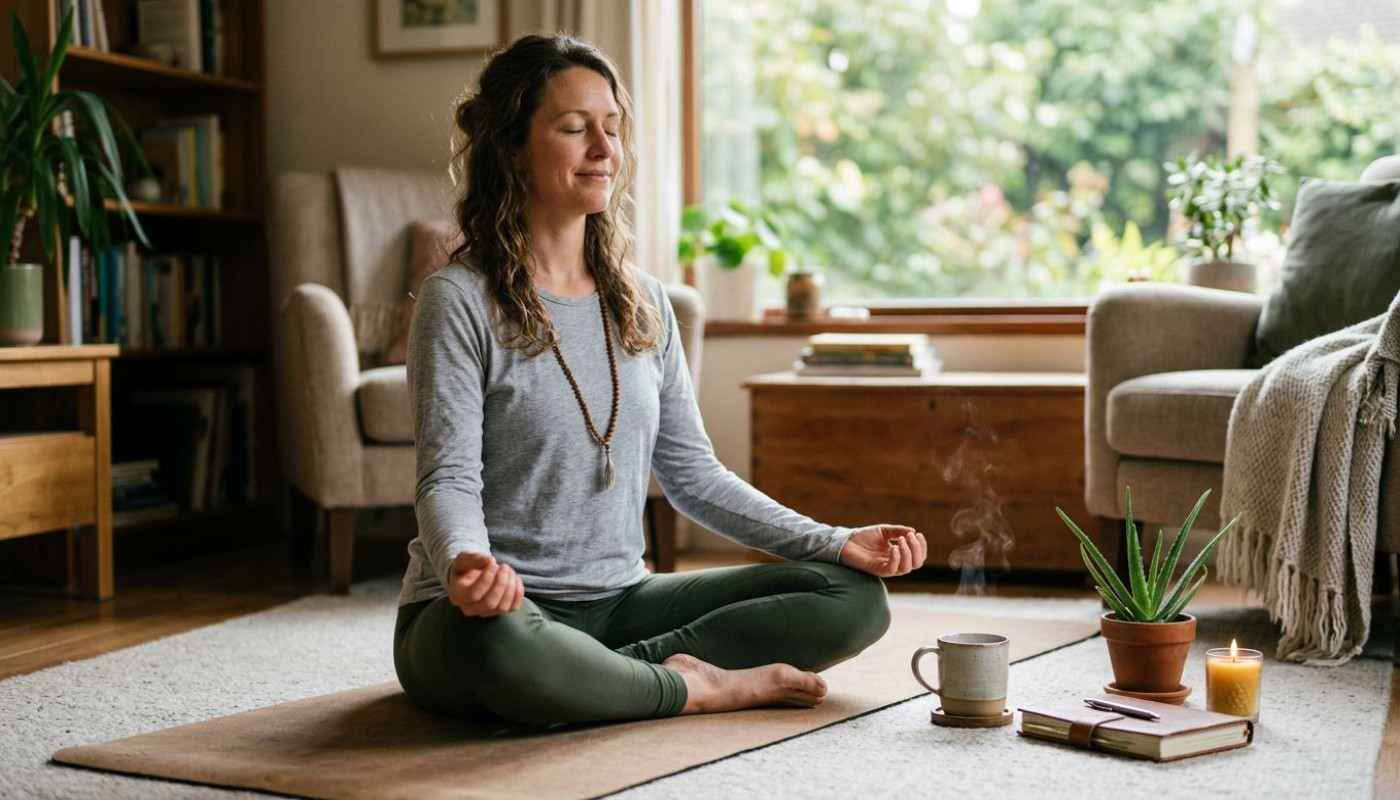
The data behind mind-body techniques is also getting harder to dismiss, and not because they are “trendy”. A 2023 meta-analysis in JAMA Network Open found mindfulness-based programs were associated with reductions in perceived stress, depression and anxiety, effects that matter for sleep regularity and immune function. Add sleep to the equation, and the “beauty from within” cliché becomes measurable. A 2019 clinical study in Clinical and Experimental Dermatology reported that poor sleepers showed increased signs of intrinsic skin aging, reduced skin barrier recovery and lower satisfaction with appearance, even when lifestyle factors were controlled. If you want a routine that changes how you look, start with the inputs that regulate repair: calm, sleep and consistency.
Inflammation is the real “bad skin day”
Want a unifying concept for modern wellness? Inflammation. It is not inherently bad, it is a vital defense mechanism, but low-grade chronic inflammation has been associated with cardiometabolic disease and mood disorders, and it is increasingly discussed in relation to skin. In a 2018 review in Nature Medicine, researchers described how chronic inflammation contributes to age-related conditions, and although the paper is not “about beauty”, the downstream effects matter for collagen integrity, barrier function and healing time. The message is not that you must live like a monk, it is that daily exposures, diet patterns and stress load can keep the body in a subtle, persistent alert state.
Nutrition is one of the clearest levers, and it is where holistic routines often become either powerful or performative. A 2020 review in Nutrients examining dietary patterns and inflammation highlighted that Mediterranean-style eating, rich in fiber, olive oil, legumes, nuts and fish, is associated with lower inflammatory markers such as C-reactive protein. Meanwhile, ultra-processed diets correlate with higher cardiometabolic risk factors in large cohorts, and even if “detox” language is overused, the metabolic math is not controversial: high sugar loads and poor-quality fats can worsen insulin dynamics, and insulin-like growth factor pathways have been implicated in acne severity in dermatology literature. The more pragmatic way to think about it is not restriction, it is substitution, adding fiber and protein for satiety, building meals around plants and choosing “daily foods” that do not spike energy and cravings.
Gut, skin and the quiet power of routines
Is the gut-skin axis real, or another wellness buzzword? The science is young, but credible enough to guide sensible habits. A 2020 review in Microorganisms summarized evidence that gut microbiota composition can influence systemic inflammation and immune responses, mechanisms relevant to conditions like acne and eczema. Researchers are careful with causality, because microbiomes are complex and individualized, yet the direction of travel is clear: diversity matters, fiber feeds beneficial bacteria, and chronic stress and poor sleep can nudge the ecosystem in unhelpful directions. In other words, the same pillars keep appearing, which is exactly what you want from a routine, because it means efforts compound instead of competing.
This is where the “boring” parts of wellness become surprisingly potent, and why they often outperform expensive hacks. Regular mealtimes stabilize appetite and reduce late-night snacking; daily walking improves insulin sensitivity and supports lymphatic circulation; strength training preserves lean mass, and lean mass is metabolically protective as people age. The World Health Organization continues to recommend at least 150 minutes of moderate-intensity activity per week for adults, plus muscle-strengthening activities on two days, not as an aesthetic guideline but because it lowers disease risk. When routines are steady, the body tends to follow, and when they are erratic, the skin often becomes the first visible complainant, reacting to poor recovery, dehydration, stress hormones and inflammation.
The body’s “drainage” systems, explained
“Detox” is a marketing word, but the body does have clearance systems, and understanding them can make wellness practices less mystical and more grounded. The liver and kidneys handle metabolic waste, while the lymphatic system helps maintain fluid balance and supports immune surveillance, moving lymph through vessels and nodes. Unlike blood, lymph does not have a central pump, it relies heavily on muscle contraction, breathing and movement, which is one reason why sedentary days often feel puffy and heavy. When people talk about facial puffiness, swollen legs after flights or that sluggish post-travel feeling, they are often describing fluid shifts, salt intake, sleep disruption and reduced movement, not a vague “toxins” narrative.
That is also why some bodywork and recovery practices have stayed popular even as wellness trends come and go. Gentle movement, hydration and compression can help with fluid balance for certain people, and manual techniques aim to support comfort and reduce the sensation of heaviness. For travelers, especially on long-haul routes, routines that prioritize walking, mobility and sleep hygiene can make a visible difference within days. Some people also look for targeted treatments when they arrive, and options such as a lymphatic massage in bangkok are often sought as part of a broader recovery plan, alongside rest, sensible nutrition and light exercise. The key is to treat it as a complement, not a substitute, because no session can replace the basics the lymphatic system depends on: movement, breathing and consistent recovery.
Plan your next reset, realistically
Build a routine you can keep, then add extras. Book treatments around travel, not during the busiest days, and keep expectations practical: one session supports comfort, it does not rewrite physiology. Budget for basics first, including sleep-friendly lodging and balanced meals; check whether your health plan or employer offers wellness stipends, and use them for evidence-backed habits.
Similar

Exploring The Therapeutic Benefits Of CBD: How Different Products Can Enhance Wellness

Embracing the Vegan Philosophy: Beyond Just Food

Exploring The Power of Mindfulness for Mental Health
